

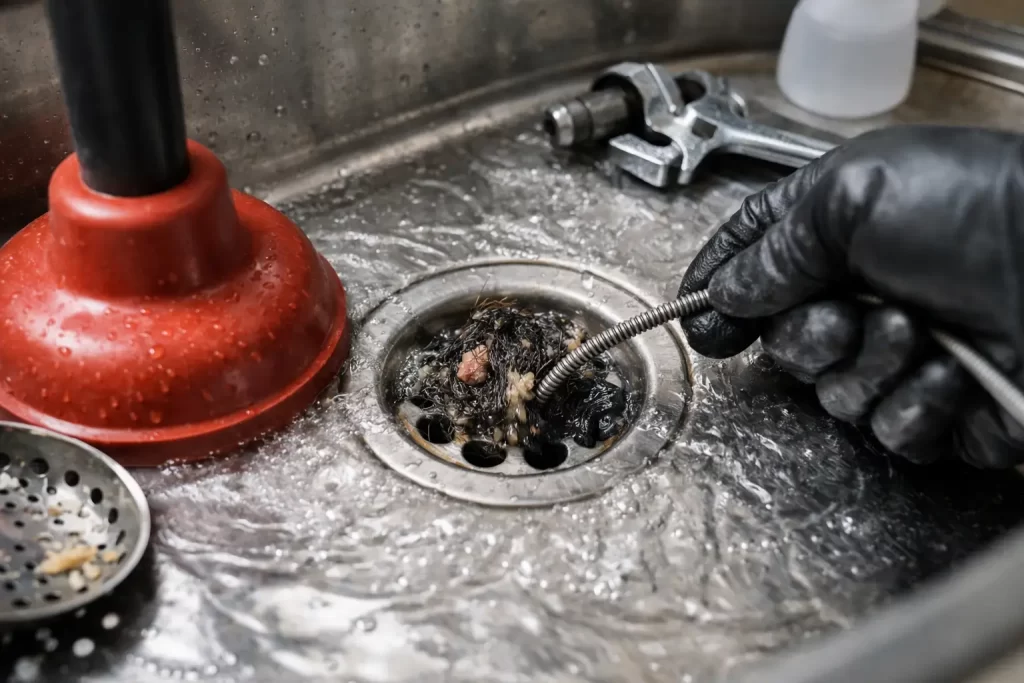
You clear the sink, the water starts moving again, and for a week or two it seems like the problem is gone. Then the gurgling comes back, the tub drains slowly, or the kitchen sink backs up right when you need it most. If you are asking what causes recurring drain clogs, the short answer is this: the clog you can see is often only part of the problem.
A drain that clogs over and over usually points to buildup deep in the line, a problem with the pipe itself, or a blockage farther down in the system that store-bought products never really reach. For homeowners and property managers, that matters because repeat clogs are not just annoying. They can be an early warning sign of bigger plumbing issues, water damage risk, and avoidable repair costs.
What causes recurring drain clogs in the first place?
Most recurring clogs happen because material keeps collecting in the same spot. In a bathroom, that is often hair, soap residue, toothpaste, and mineral buildup narrowing the pipe a little more each month. In a kitchen, grease is a common culprit. It may go down hot as a liquid, but it cools inside the drain, sticks to the pipe walls, and starts trapping food particles.
That is why a drain can seem fine after a quick fix but clog again soon after. The temporary opening in the blockage lets water pass for a while, but the pipe is still coated. Once more debris moves through, the restriction builds right back up.
There is also a difference between a local clog and a system-wide drainage issue. If one bathroom sink is slow, the problem may be close to that fixture. If multiple drains are acting up at once, especially with gurgling or backups at the lowest drain in the building, the issue may be in the main line.
Common causes of recurring drain clogs
Grease and food waste in kitchen drains
Kitchen clogs are rarely caused by one big event. More often, they build gradually from cooking grease, oil, coffee grounds, starches, and food scraps. Even homes with garbage disposals can run into repeat problems because disposals do not eliminate waste – they just break it into smaller pieces.
Certain foods are especially troublesome. Pasta, rice, potato peels, eggshells, and fibrous vegetables can collect in bends and trap other debris. If the kitchen sink clogs every few weeks, grease lining the pipe is often the real issue.
Hair and soap buildup in bathroom drains
In tubs, showers, and bathroom sinks, hair is one of the biggest reasons clogs return. Hair alone can create a blockage, but it becomes more stubborn when mixed with soap scum and residue from personal care products. Over time, that sticky mass catches more debris and shrinks the usable diameter of the drain.
Homes with hard water may also see more mineral buildup inside the pipes. That scaling makes it easier for soap and hair to cling to the drain walls, which speeds up future clogs.
Flushable wipes and other non-flushable items
Toilets that clog repeatedly are often dealing with more than excess toilet paper. Wipes labeled flushable, paper towels, hygiene products, and cotton materials do not break down the same way toilet paper does. They can travel partway through the system, snag on rough sections of pipe, and create a recurring blockage point.
This is one of those cases where the trade-off is convenience versus plumbing reliability. A product may seem safe to flush, but that does not mean your drain or sewer line will handle it well over time.
Pipe scale, corrosion, or poor pipe condition
Sometimes the real answer to what causes recurring drain clogs has less to do with what is going down the drain and more to do with the condition of the pipe. Older metal piping can corrode inside, creating a rough surface that catches debris. Scale and rust narrow the opening, so even normal daily use leads to slow drainage and repeated backups.
In older homes and commercial properties, this issue can be easy to miss because the symptoms look like an ordinary clog. The difference is that cleaning alone may not solve it for long if the pipe interior is badly deteriorated.
What causes recurring drain clogs farther down the line?
Not all repeat clogs are near the fixture. A blockage in a branch line or main sewer line can create symptoms in several areas of the property. This is where drain patterns matter.
If the shower backs up when the washing machine runs, or a first-floor toilet bubbles when an upstairs sink drains, the issue may be deeper in the system. Main line problems can be caused by heavy buildup, settled piping, bellied sections that hold waste, or tree root intrusion.
Tree roots are especially common in underground sewer lines because roots naturally seek moisture. A tiny crack or loose joint can let roots in. Once inside, they expand and catch paper and waste, causing clogs to return even after the line is partially cleared.
Why chemical drain cleaners often do not fix it
When a drain is slow, chemical cleaners can seem like the fastest option. Sometimes they open a small path through the blockage. The problem is that they usually do not remove the full buildup, especially if grease, roots, or pipe defects are involved.
There is also a risk factor. Repeated use of harsh drain chemicals can damage certain pipes, create safety hazards for anyone working on the line later, and leave standing chemical residue in a backed-up fixture. If the clog keeps coming back, stronger chemicals are usually not the answer.
Mechanical drain cleaning or camera inspection is often more useful because it shows whether the problem is buildup, damage, or a blockage farther out. That difference matters if you want a solution that lasts.
Signs the problem is more than a simple clog
A plunger or hand snake can help with a minor local blockage. But recurring symptoms usually mean the problem needs a more complete look. Warning signs include frequent slow drainage, repeated backups in the same fixture, bad drain odors, gurgling sounds, or water appearing in one drain when another fixture is used.
For property managers and commercial spaces, timing also matters. A drain that backs up during peak use may point to a partial blockage that cannot keep up with normal volume. In restaurants, offices, and multi-unit buildings, that can quickly turn from a nuisance into a disruption.
If the same drain has been cleared multiple times with only short-term relief, it is worth treating that as a system issue, not just a clog issue.
How professionals solve recurring drain clogs
The best fix depends on the cause. For grease, soap, and sludge buildup, professional drain cleaning can remove the material coating the pipe walls instead of just punching a hole through the center. For deeper or more complex problems, a camera inspection can confirm whether roots, misaligned pipe, corrosion, or a collapsed section is involved.
That matters because every recurring clog does not need the same response. Some lines simply need a thorough cleaning. Others need repair or replacement to stop the cycle. A good diagnosis saves time and avoids paying for the same short-term fix again and again.
In areas like Cape Cod, where properties range from older year-round homes to seasonal homes and commercial buildings, drain systems can vary quite a bit. Age of piping, tree coverage, and periods of low use can all affect how and why clogs keep returning.
How to reduce the chance of future clogs
Prevention is usually simpler than dealing with backups. Avoid pouring grease down kitchen drains, use drain screens where hair is a problem, and keep wipes and hygiene products out of toilets. Flushing drains with hot water can help with light residue, but it will not solve heavy buildup once it is established.
If a drain has a history of recurring trouble, periodic professional cleaning may make sense, especially in older properties or buildings with heavier use. That is often more cost-effective than repeated emergency calls and fixture-by-fixture fixes.
When a drain keeps clogging, the goal is not just to get the water moving today. It is to figure out why the same problem keeps coming back and fix the condition causing it. That is how you protect the plumbing system, the property, and your time.