

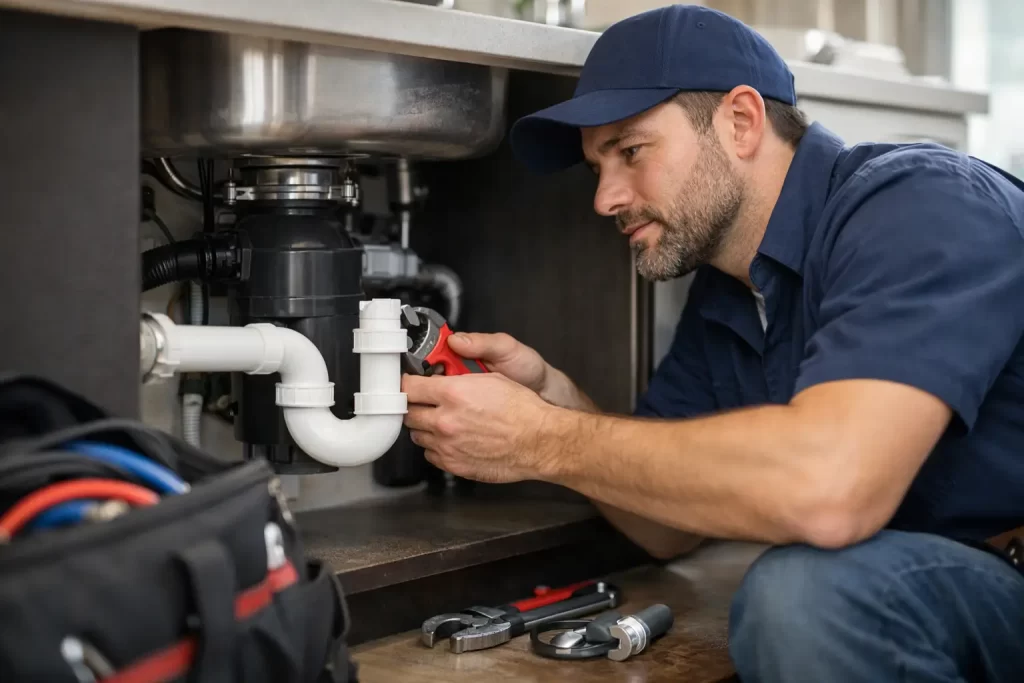
A burst pipe at 2 a.m., a water heater that suddenly quits, or a kitchen drain that backs up right before guests arrive – these are the moments homeowners start asking, what does a residential plumber do? The short answer is that a residential plumber installs, repairs, maintains, and troubleshoots the plumbing systems that keep a home safe, sanitary, and functional. The longer answer matters, especially if you own a home on Cape Cod where aging infrastructure, seasonal use, and winter weather can put plumbing systems under extra stress.
What does a residential plumber do in a home?
A residential plumber works on the water, drain, and gas-related systems that serve a house. That includes visible fixtures like sinks, toilets, tubs, showers, and faucets, as well as the pipes behind walls, under floors, and below the foundation. It also includes major equipment such as water heaters, sump pumps, shutoff valves, and in some homes, gas lines connected to appliances.
Their job is part repair work, part installation, and part prevention. Some calls are urgent, like frozen pipes, overflowing toilets, or no hot water. Others are planned projects, such as replacing old piping, installing a tankless water heater, or updating plumbing during a kitchen or bathroom remodel. A good residential plumber does more than fix the immediate problem. They look at the overall system, identify wear or code issues, and help the homeowner avoid the next failure.
The day-to-day work of a residential plumber
Most homeowners think of plumbers as the people who show up when something leaks. Leak repair is a big part of the job, but it is only one piece of it.
A residential plumber often starts by diagnosing the source of a problem. A wet ceiling might come from a drain line, a supply line, a failed seal, or even condensation around nearby equipment. A slow drain could be a simple clog close to the fixture, or it could point to a larger blockage in the main line. The skill is not just in making repairs. It is in finding the right repair quickly and safely.
They also install and replace plumbing fixtures. That can mean swapping out a worn toilet, installing a new garbage disposal, upgrading faucets, or connecting a new dishwasher or refrigerator water line. On larger jobs, a residential plumber may rough-in plumbing for an addition, repipe sections of the house, or relocate supply and drain lines for a renovation.
Water heater service is another major part of residential plumbing. Plumbers install standard tank water heaters, tankless systems, and heat pump water heaters. They handle sizing, venting, piping connections, and safety components. If a unit is leaking, underperforming, or nearing the end of its lifespan, the plumber helps the homeowner decide whether repair or replacement makes more sense.
Common problems a residential plumber handles
Some of the most common service calls are straightforward but disruptive. Dripping faucets waste water and can drive up utility bills. Running toilets can quietly waste a surprising amount of water. Low water pressure may come from buildup, a hidden leak, faulty valves, or older galvanized piping.
Drain problems are also common. Kitchen lines collect grease and food debris. Bathroom drains trap soap, hair, and daily buildup. Main sewer line issues are more serious and can affect multiple fixtures at once. When several drains slow down together, or when backups appear in the lowest fixtures first, a residential plumber will usually investigate beyond the immediate drain opening.
Frozen and burst pipes are especially important in Massachusetts. Homes that sit vacant part of the year, have poorly insulated piping, or experience sudden cold snaps can be vulnerable. In those cases, a plumber may not only repair the damaged pipe but also recommend winterization steps to reduce the risk of another break.
Installation work is a big part of the job
When people ask what does a residential plumber do, they often picture emergency repairs. But a lot of plumbing work is planned installation.
If you are remodeling a bathroom, the plumber helps position the shower valve, toilet flange, drain lines, and water supply connections so the finished space works properly and meets code. In a kitchen renovation, that can include sink plumbing, ice maker lines, pot filler hookups, and dishwasher drainage. For laundry areas, the work may involve supply valves, drain standpipes, and utility sink connections.
Installation work also includes system upgrades. Older homes may need new shutoff valves, pressure-reducing valves, expansion tanks, or repiping if corrosion and recurring leaks are becoming a pattern. In some houses, the best investment is not another small repair. It is replacing a failing section before it causes water damage.
Residential plumbers help protect health and safety
Plumbing is not just about convenience. It is tied directly to sanitation, water quality, and home safety.
A residential plumber helps make sure wastewater leaves the home correctly and clean water stays protected. Improper drainage, sewer gas leaks, cross-connections, or failed venting can create bigger issues than a nuisance clog. Gas line work also falls into this category when a plumber is licensed to perform it. Gas piping for stoves, water heaters, or other appliances has to be installed and tested correctly.
Code compliance matters here. A homeowner may be tempted to treat plumbing like a simple DIY project, but many repairs and installations involve venting rules, proper pipe sizing, shutoff requirements, and permit standards. The work needs to function now and still be safe years from now.
Why experience matters in older or seasonal homes
On Cape Cod and in southeastern Massachusetts, residential plumbing is not always a one-size-fits-all job. Older homes may have aging copper, cast iron, or outdated fixture connections. Seasonal properties bring another layer of complexity, especially when winterization and spring startup are involved.
That is where experience really shows. A plumber familiar with local housing stock can often spot recurring trouble areas faster. They know where corrosion tends to show up, what signs suggest a deeper issue, and when a repair is likely to hold versus when replacement is the smarter move. For homeowners, that means fewer surprises and more confidence in the repair plan.
Emergency service versus routine maintenance
Some plumbing problems cannot wait. If a pipe bursts, a sewer line backs up, or you lose hot water unexpectedly, you need help quickly. Emergency plumbing service is part of what many residential plumbers provide, and response time matters because water damage gets worse by the minute.
That said, not every call has to be urgent. Routine maintenance can catch problems before they become emergencies. A plumber may inspect exposed piping, test shutoff valves, flush a water heater, check for signs of corrosion, or identify drains that are starting to clog. These visits are less stressful and often less expensive than after-hours crisis calls.
There is a trade-off, though. Some homeowners prefer to wait until something fails because maintenance can feel optional. The risk is that plumbing systems rarely fail at a convenient time. A small leak behind a wall can turn into damaged drywall, flooring, and insulation before anyone notices.
What a good residential plumber should provide
Technical skill is the baseline, but homeowners usually need more than that. They need clear communication, realistic options, and repair work that respects their time and property.
A strong residential plumber explains what is wrong in plain language, outlines whether repair or replacement is the better value, and does not recommend a larger job without a reason. They arrive with the tools and common parts needed for the work whenever possible, because first-visit completion matters when your kitchen or bathroom is out of service.
Licensing, certifications, and warranty coverage also matter. Those details are not just paperwork. They are part of how a homeowner knows the job is being handled professionally. For larger projects, financing can also make a real difference, especially when a failed water heater or major piping issue was not in the budget.
Companies such as Durfee Plumbing & Heating LLC build trust by combining that technical capability with 24/7 availability and practical service options homeowners can act on right away.
When should you call a residential plumber?
If you see water where it should not be, notice a drop in water pressure, hear unusual pipe noises, smell sewer odors, or have drains that keep slowing down, it is time to call. The same goes for aging water heaters, recurring leaks, or fixtures that no longer work reliably.
It also makes sense to call before starting a remodeling project, buying an older home, or closing up a seasonal property for winter. Plumbing problems are easier to manage when you catch them early and harder to contain once they spread behind walls or under floors.
A residential plumber keeps the systems in your home working the way they should – quietly, safely, and without disruption. And when something goes wrong, the right plumber does not just restore service. They help you protect the home you have worked hard to maintain.