

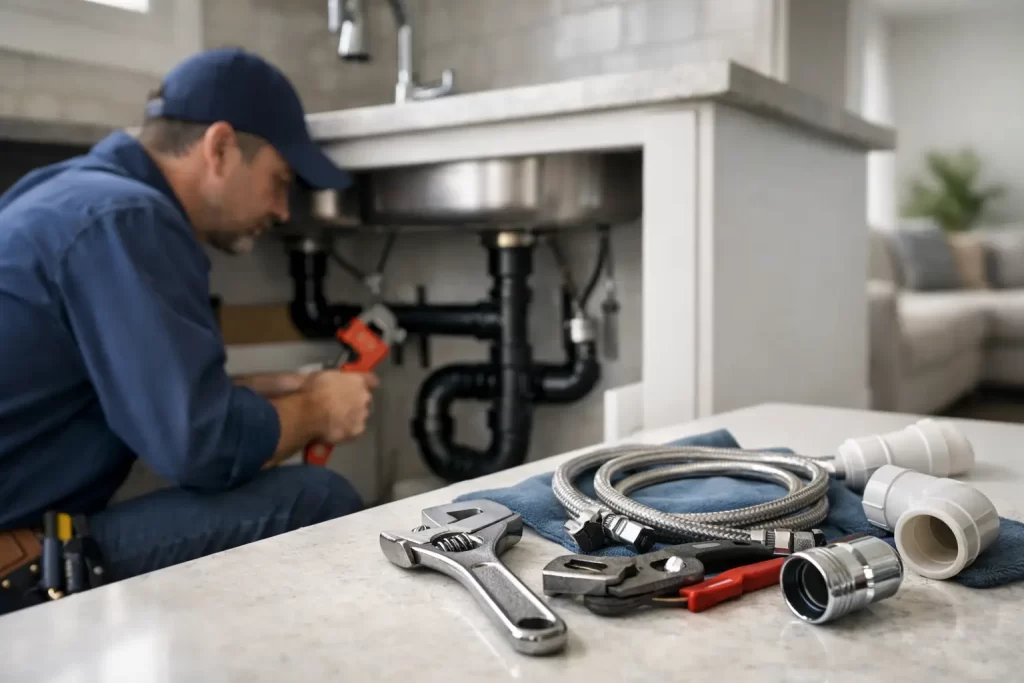
A leaking water heater at 7 p.m., a toilet backing up before guests arrive, or frozen pipes after a Cape Cod cold snap – this is where residential service plumbing matters. If you have ever wondered what is residential service plumbing, the short answer is this: it is the day-to-day repair, maintenance, replacement, and troubleshooting work that keeps a home’s plumbing system safe, functional, and up to code.
Unlike large new construction plumbing, residential service plumbing focuses on existing homes and occupied properties. The job is not just installing pipe and leaving. It is diagnosing real problems, working within the layout of an older or newer home, and getting water, drains, fixtures, and equipment back in working order with as little disruption as possible.
What Is Residential Service Plumbing and What Does It Include?
Residential service plumbing covers the systems that bring clean water into a home and carry wastewater back out. It also includes the fixtures and equipment connected to those systems, from sinks and toilets to water heaters and shutoff valves.
In practical terms, this work often includes fixing leaks, clearing drains, repairing or replacing faucets, toilets, garbage disposals, hose bibs, and shutoff valves, and addressing water pressure issues. It also includes water heater service, sump pump work, pipe repair, plumbing winterization, and emergency calls for burst pipes or sewer backups.
For many homeowners, the phrase sounds broader than it really is. Residential service plumbing is less about one specific product and more about ongoing support for the plumbing system your home already has. When something breaks, wears out, clogs, corrodes, or stops performing the way it should, this is the category of work that solves it.
How Residential Service Plumbing Differs From Other Plumbing Work
Not every plumber does the same type of job every day. Some crews focus on new construction, where plumbing is installed before walls are closed and before a family moves in. Others focus on commercial systems, which may involve larger water lines, more fixtures, grease traps, code requirements for public use, and different equipment.
Residential service plumbing is different because the work happens in lived-in homes. That changes everything. The technician has to diagnose the problem quickly, protect the home, explain options clearly, and make repairs in tight spaces like crawl spaces, basements, closets, or behind finished walls.
There is also more unpredictability. In an older home, a simple repair can reveal corroded piping, outdated valves, poor past workmanship, or hidden water damage. In a seasonal property, winterization issues may affect pipes, outdoor fixtures, or heating-related plumbing components. Service plumbing requires technical skill, but it also requires judgment.
Common Problems a Residential Service Plumber Handles
Most calls start with a symptom, not a diagnosis. A homeowner notices low hot water, a damp ceiling, a toilet that keeps running, a sink that drains slowly, or a utility bill that suddenly spikes. The plumber’s job is to find the source, not just treat the visible problem.
Leaks are one of the most common service calls because they range from obvious to hard to spot. A dripping faucet is annoying but manageable. A hidden pipe leak behind a wall can cause structural damage, mold, and insulation problems if it goes unchecked.
Drain issues are another frequent reason people call. A single slow sink may point to a local clog, while multiple drains backing up can suggest a larger problem in the home’s drain or sewer line. That distinction matters because the fix, urgency, and cost can be very different.
Water heaters also fall squarely into residential service plumbing. If your unit is leaking, not heating properly, producing rusty water, or making unusual noise, a service plumber can determine whether it needs repair, flushing, component replacement, or full replacement. That is especially important in homes with aging systems where efficiency and reliability are starting to slip.
Why It Matters for Cape Cod Homes
On Cape Cod, plumbing service is not just about convenience. It is also about protecting property from weather, seasonal use patterns, and the wear that comes with coastal conditions. Homes here often deal with unique challenges, including winter freezing, older plumbing infrastructure, vacation property shutdowns, and higher moisture exposure.
That means residential service plumbing often includes preventive work, not just emergency repair. Winterizing pipes, checking outdoor fixtures, addressing small leaks before a property sits vacant, and keeping water heaters and drains in good shape can prevent larger issues later.
For homeowners and property managers, timing matters. A minor issue handled early is usually easier and less expensive than the same issue after a pipe bursts, a ceiling stains, or a backup damages flooring. That is one reason fast response matters so much in service plumbing.
When to Call for Residential Service Plumbing
Some plumbing issues can wait a day or two. Others should be addressed right away. If you have no water, sewage backing up, a burst pipe, a leaking water heater, or a leak that cannot be isolated with a shutoff valve, it is time to call immediately.
Less urgent problems still deserve attention. A toilet that rocks, a faucet that drips, recurring drain clogs, or inconsistent water temperature may seem manageable, but those are often signs of wear, pressure issues, buildup, or failing parts. Small problems have a way of becoming inconvenient at the worst possible time.
It also makes sense to call when something simply seems off. Unusual sounds in pipes, sudden changes in pressure, unexplained moisture, or a higher-than-normal water bill can all point to hidden plumbing trouble. Good service work is not just reactive. It is investigative.
What to Expect During a Service Visit
A professional residential service plumbing visit should feel straightforward. The technician starts by asking what is happening, inspecting the affected area, and tracing the issue back to its source. In many cases, the visible symptom is only part of the story.
Once the problem is identified, you should get a clear explanation of what is wrong, what the repair involves, and whether there are multiple options. Sometimes the best answer is a targeted repair. Other times, especially with old fixtures or failing water heaters, replacement makes more long-term sense.
This is where experience matters. A service plumber should understand how to balance urgency, budget, and long-term reliability. The cheapest short-term fix is not always the smartest one, but full replacement is not always necessary either. It depends on the age of the system, the condition of surrounding components, and how often the issue has happened before.
Why Licensed Service Plumbing Matters
Plumbing affects health, safety, and the condition of your home. Poor workmanship can lead to water damage, contamination risks, code violations, and repeat failures. That is why licensed residential service plumbing is worth paying attention to.
A qualified plumber knows how to diagnose properly, use approved materials, make code-compliant repairs, and spot related issues that may not be obvious to the homeowner. That includes things like improper venting, outdated shutoffs, failing supply lines, or signs that a water heater is close to the end of its service life.
For many property owners, the real value is confidence. You want the repair done correctly, especially when the issue affects water supply, drainage, or equipment that runs every day. In a busy household or managed property, downtime adds up quickly.
Residential Service Plumbing Is Also Preventive
A lot of people think plumbing service only matters when something goes wrong. In reality, some of the best service calls happen before there is an emergency. Routine inspection of water heaters, shutoff valves, exposed piping, drains, and high-use fixtures can catch wear early.
That is especially useful in homes with older plumbing, seasonal occupancy, or recent warning signs like minor leaks or slow drains. Preventive service does not eliminate every problem, but it can reduce surprise failures and help you plan repairs on your schedule instead of during a crisis.
For homeowners across Barnstable and the Cape, that practical approach matters. A dependable company like Durfee Plumbing & Heating LLC is there when the pipe bursts, but the better outcome is often catching the issue before it reaches that point.
Residential service plumbing is really about keeping a home livable, protected, and ready for everyday use. When your plumbing works, you barely think about it. When it does not, fast and skilled service makes all the difference.