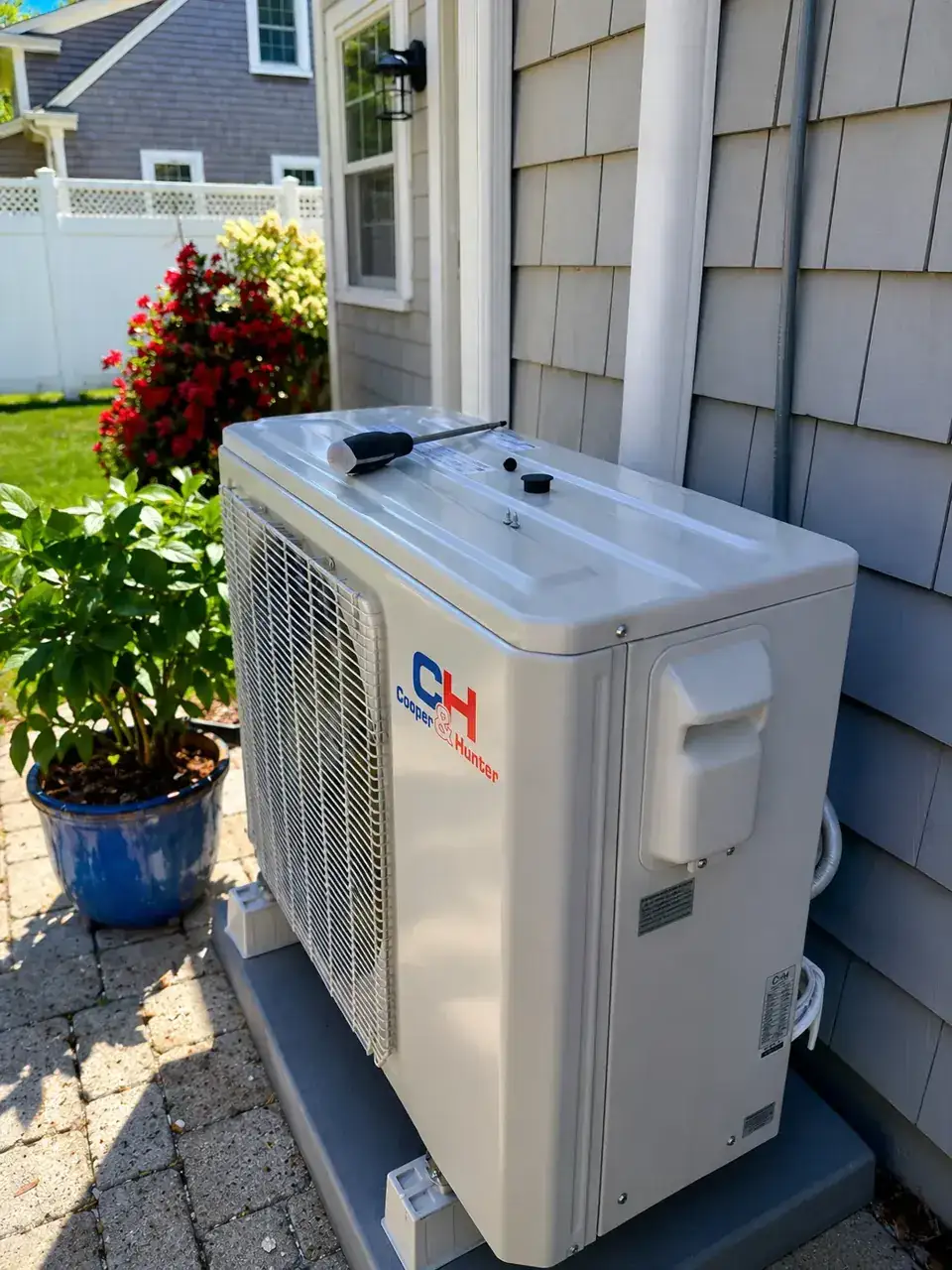
A Provincetown heat-pump location may need to address both coastal exposure and historic character. Where those considerations overlap, choosing the outdoor equipment position first can save a redesign later. Bring the property's map information, existing equipment location, and intended winter-heating role into the same discussion before settling on supports or screening.
Coordinate flood resilience with the historic setting
Provincetown's coastal-resilience resources include a project specifically considering its Historic District, alongside coastal mapping and flood-area design guidance. For a property where exposure is relevant, use those resources to start an address-specific review with Community Development. Ask how the proposed heat-pump supports, equipment position, and access should respond to the site. The aim is a coordinated design: the indoor heating plan, exterior appearance, and any flood-related requirements need to work together for the actual building.
Building heat loss, cooling needs and any heat source being retained.
Duct condition and room airflow, or a proposed ductless layout.
Outdoor location, electrical capacity, controls and cold-weather operation.
Before the visit
Useful details to have ready
Bring recent fuel and electric usage if available. Identify rooms with comfort problems and explain whether you want to replace the heating system or add heating and cooling alongside it.
How should I choose between a low, hidden heat-pump location and a more elevated one in Provincetown?
Do not decide from appearance alone. Establish the property's flood conditions and applicable requirements with Community Development, then compare workable locations with the installer and historic-district staff if relevant. Provincetown publishes resources addressing resilience in its historic setting. The final position must also allow manufacturer clearances and safe servicing; a concealed location is not automatically the suitable one.
How are heating and cooling system-replacement quotes prepared?
Heating and cooling system-replacement quotes are prepared onsite. Durfee uses the latest heat-loss calculation technology to assess the building's heating requirements and accurately size replacement heating equipment. We also review the existing system, distribution, cooling needs and installation conditions as applicable before recommending equipment and presenting the scope and price.
Arrange the next step
Call with your address, the equipment or problem, and access details. The office confirms the service scope and appointment availability.
Repair estimates require a site visit, and the visit is included in the diagnostic fee. After diagnosing the problem, Durfee presents upfront flat-rate pricing for the proposed work before you approve it. The diagnostic fee is credited toward approved work when the applicable minimums are met. The team explains the qualifying minimum and credit when arranging service.