A furnace that starts making new noises in January is not just an inconvenience. In Eastham, a heating failure can quickly make a home uncomfortable, put plumbing at risk, and create a difficult decision under pressure. Planning furnace replacement Eastham MA homeowners need before a complete breakdown gives you more control over the equipment, timeline, and budget.
A repair is often the right call. But when repairs become frequent, fuel bills keep climbing, or the system can no longer heat the home evenly, replacement may be the more practical long-term choice. The goal is not to replace equipment early. It is to avoid putting good money into a furnace that is nearing the end of its useful life.
When Furnace Replacement Makes More Sense Than Repair
Most furnaces can be repaired many times during their service life. A failed igniter, worn blower motor, dirty flame sensor, or thermostat issue does not automatically mean the entire system needs to go. A licensed technician should identify the cause and explain the repair before recommending a replacement.
The decision changes when the furnace has a history of breakdowns or a major component fails on an older unit. A cracked heat exchanger, for example, is a serious safety concern and can make replacement the sensible option. A furnace that is roughly 15 to 20 years old may also be approaching the point where efficiency, reliability, and parts availability become bigger concerns.
Consider replacement when you are seeing several of these signs at once:
- Repairs are needed more than once in a heating season.
- Rooms heat unevenly, even after maintenance and airflow issues are addressed.
- The furnace runs for long cycles but never seems to catch up on colder days.
- Utility costs rise without a clear change in how the home is used.
- The system makes banging, rattling, squealing, or repeated clicking sounds.
- The burner flame is yellow instead of mostly blue, or a carbon monoxide detector has alerted.
No single sign tells the whole story. A duct issue, insulation gap, thermostat problem, or blocked filter can mimic furnace trouble. That is why a full system evaluation matters before making an investment.
Why Eastham Homes Need a Thoughtful Heating Plan
Cape Cod homes are not all built or used the same way. Some Eastham properties are occupied year-round. Others are seasonal homes that need dependable heat, freeze protection, and a plan for periods when no one is there. Older homes may have additions, crawl spaces, limited mechanical-room access, or ductwork that was never designed for the current layout.
Those details affect furnace sizing and installation options. Installing a larger furnace is not automatically better. An oversized unit can heat too quickly, shut off too soon, and cycle repeatedly. This short cycling can reduce comfort, add wear, and leave some areas of the home feeling colder than others.
A proper recommendation should account for the home’s square footage, layout, insulation, windows, duct condition, fuel source, and heating needs. It should also consider whether the existing system has provided consistent comfort. If certain rooms have always been cold, replacing the furnace alone may not solve the problem without addressing ducts, airflow, or zoning.
Choosing the Right Furnace and Efficiency Level
For many homes with natural gas or propane service, a high-efficiency gas furnace can provide reliable, controlled heat with lower fuel use than an older unit. Furnace efficiency is measured by AFUE, or Annual Fuel Utilization Efficiency. A higher AFUE rating means more of the fuel is converted into heat rather than lost through combustion gases.
The best efficiency level depends on the home and the installation conditions. Higher-efficiency furnaces can lower operating costs, but they may require changes to venting and condensate drainage. Those added installation requirements should be explained clearly, especially in older homes where mechanical access is tight.
Comfort features matter too. Single-stage furnaces operate at one heating output. Two-stage and variable-speed models can run at lower output for longer periods, helping maintain steadier temperatures and quieter operation. They can be a strong fit for homeowners who notice hot-and-cold swings or want more consistent comfort, but the right choice depends on budget and the rest of the HVAC system.
For some properties, it also makes sense to compare furnace replacement with heat pump options. Modern heat pumps can provide efficient heating and cooling, while a furnace can serve as backup or primary heat depending on the design. This is not a one-size-fits-all decision. Fuel availability, electrical capacity, the home’s construction, and year-round occupancy should all be part of the conversation.
What a Professional Furnace Replacement Should Include
A replacement project is more than removing one box and installing another. The installation quality has a direct effect on safety, efficiency, and equipment life. Before work begins, the contractor should confirm the equipment size, inspect the existing ductwork and venting, review electrical and gas connections, and identify any code-related upgrades that may be needed.
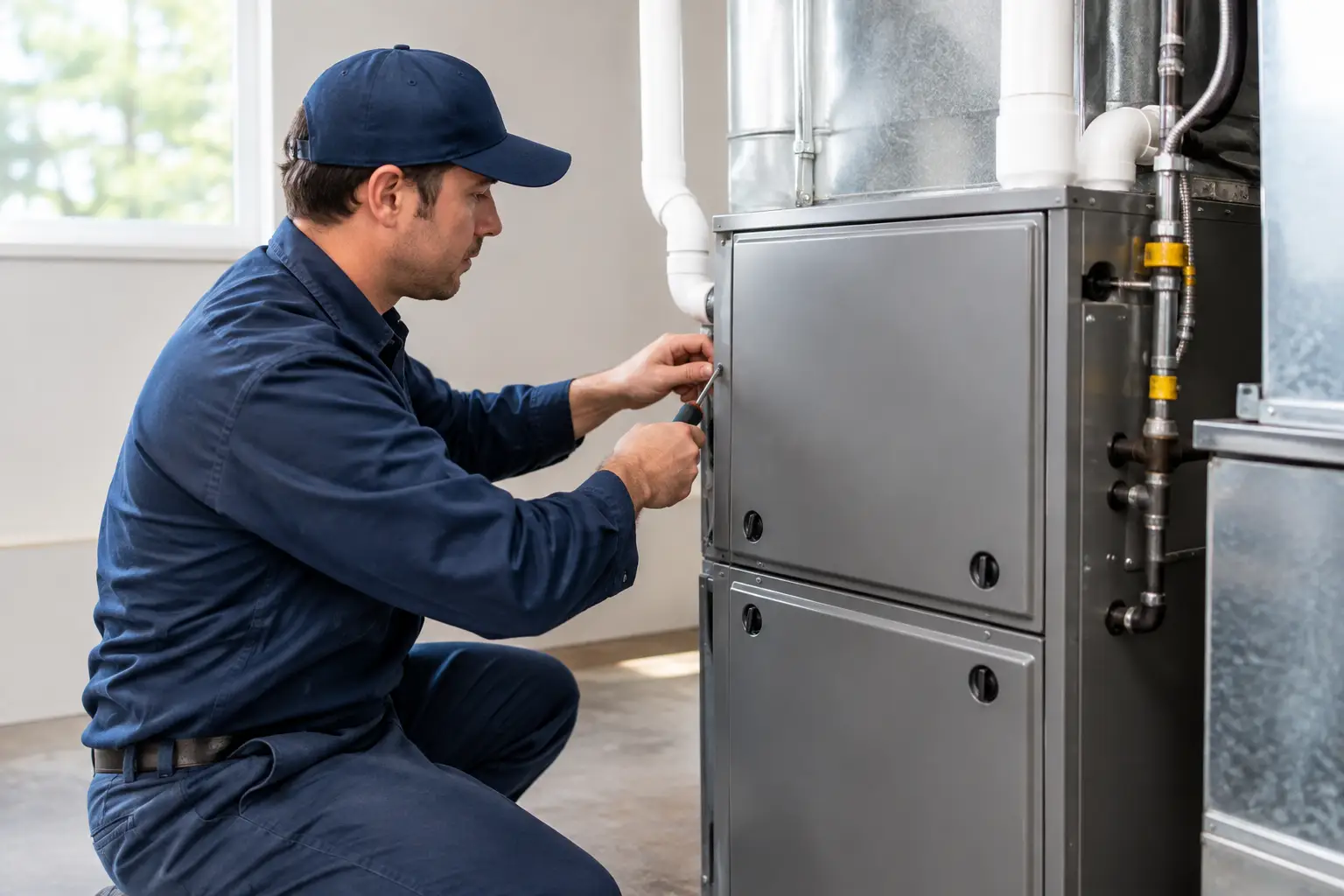
During installation, the old furnace is removed, the new system is set and connected, and venting and drainage are installed according to the equipment requirements. The technician should test ignition, airflow, temperature rise, safety controls, thermostat operation, and carbon monoxide performance before the system is placed into service.
A clean installation also includes a clear explanation of how to operate the new thermostat, change filters, and recognize warning signs. Keep all warranty information and maintenance records in one place. They can be useful for future service, property sales, and manufacturer coverage.
Budgeting Without Waiting for an Emergency
The cost of furnace replacement varies based on the fuel type, efficiency rating, system size, venting changes, duct modifications, electrical work, and access to the equipment. An estimate should separate the equipment and installation scope so you understand what is included.
Waiting until the furnace fails can limit your options. You may have to make a quick decision during the coldest part of the year, and temporary heat may be necessary while equipment is sourced. Planning ahead allows time to compare solutions, review financing options, and ask about available energy-efficiency incentives such as Mass Save rebates when applicable.
The lowest initial price is not always the lowest overall cost. A properly sized, professionally installed system can reduce unexpected repairs, improve comfort, and use less fuel over time. On the other hand, paying for features that do not fit the home or household’s needs may not provide meaningful value. A good recommendation should be specific to the property, not just the product catalog.
Protect Your New Furnace With Simple Maintenance
A new furnace still needs attention. Replace or clean filters on schedule, keep supply and return vents open and unobstructed, and make sure exterior vent terminations stay clear of leaves, snow, and debris. Annual professional maintenance helps catch ignition, airflow, drainage, and safety issues before they become a no-heat call.
For seasonal properties, heating maintenance should be part of a wider winterization plan. Confirm that the thermostat is set appropriately, arrange for someone to check the home during extended absences, and make sure plumbing is protected if the building will not be occupied. Reliable heat and protected pipes go hand in hand on the Cape.
When a furnace is no longer dependable, prompt answers matter. Durfee Plumbing & Heating can assess the system, explain the practical repair and replacement options, and help you choose a heating solution built for your home. Addressing the decision before the next cold stretch gives you the best chance to move forward on your schedule, not the furnace’s.