A heating system that struggles through a Cape Cod winter can make every cold snap feel urgent. Planning a heat pump installation with Mass Save rebates gives homeowners a practical way to replace aging equipment, improve year-round comfort, and reduce the upfront cost of an efficient upgrade. The key is getting the sequence right before equipment is ordered or installation begins.
Heat pumps are not one-size-fits-all, especially in coastal Massachusetts homes. Proper equipment selection, electrical capacity, insulation levels, and rebate requirements all affect the final result. A licensed local HVAC contractor can help you sort out the details before a small decision becomes an expensive surprise.
Why Heat Pumps Make Sense on Cape Cod
A modern air-source heat pump moves heat rather than creating it through combustion. In heating mode, it pulls available heat from outdoor air and brings it inside. In cooling mode, it works like central air conditioning, moving heat out of the home.
That dual-purpose operation is a major advantage for Cape Cod homeowners who want dependable winter heat and relief during humid summer weather. A ductless mini split can serve a room addition, converted attic, or home without existing ductwork. A ducted heat pump may be the better fit for a larger home with usable ducts and a central air distribution system.
The right answer depends on the building. Older homes in Barnstable County often have uneven room temperatures, limited duct access, and insulation gaps that need attention. A heat pump can improve comfort substantially, but oversized or poorly located equipment can short-cycle, create drafts, or leave remote rooms under-conditioned. A professional load calculation matters more than choosing the largest unit available.
How Heat Pump Installation With Mass Save Rebates Works
Mass Save rebates can help eligible Massachusetts customers offset part of the cost of qualifying energy-efficiency improvements. Heat pump rebate programs and equipment standards can change, so it is wise to confirm the current requirements before signing a contract, placing an equipment order, or scheduling work.
In general, eligibility may depend on the type and efficiency rating of the heat pump, whether the system is installed as a whole-home or partial-home solution, the heating fuel being replaced, and the program rules in effect on the installation date. Certain projects may also involve requirements related to home energy assessments, weatherization recommendations, integrated controls, or verification of existing heating equipment.
A qualified contractor should review the equipment options with you and explain which systems are designed to meet applicable program standards. This is especially helpful when comparing a single-zone mini split for one problem area against a whole-home ducted or multi-zone system. The rebate opportunity may be different for each approach.
Do not assume every high-efficiency heat pump qualifies for the same incentive. Model numbers, capacity, AHRI performance ratings, and installation details can matter. Keeping copies of proposals, invoices, equipment documentation, paid receipts, and any required program forms can make the rebate process much smoother.
Start With the Home, Not Just the Equipment
A heat pump performs best when the home holds onto the heat it receives. Air leaks, weak attic insulation, uninsulated knee walls, and leaky ducts can force any heating system to work harder. Addressing those issues may reduce the size of equipment needed and improve room-to-room comfort.
For homes that use oil, propane, natural gas, or electric resistance heat, the conversation should include the existing system's condition. Some homeowners choose to retain a furnace or boiler as backup heat while relying on the heat pump most of the year. Others want a full conversion away from fossil fuel equipment. Both paths can make sense, but they involve different equipment, controls, operating costs, and rebate considerations.
Choosing the Right Type of Heat Pump
Ductless mini splits are often a strong option for homes with no central ductwork, additions, sunrooms, and spaces that never feel comfortable. Indoor wall-mounted units, floor units, or concealed options can be paired with an outdoor condenser. Zoning allows different areas to be adjusted independently, which can reduce wasted conditioning in unused rooms.
Ducted heat pumps use supply and return ducts to condition multiple rooms from a central indoor unit. They can offer a more traditional appearance and consistent whole-home coverage, provided the ducts are correctly sized, sealed, and insulated. If existing ducts are undersized or poorly routed, modifying them may be necessary for the system to perform as intended.
There are also hybrid approaches. A homeowner may install ductless heads in difficult areas while maintaining existing heating in the rest of the house. This can be a sensible first step when budget, electrical upgrades, or building layout makes a full conversion impractical. It may not deliver the same rebate level or fuel savings as a qualifying whole-home project, so the numbers should be reviewed before making a decision.
Installation Details That Affect Cost and Comfort
The equipment price is only one part of a heat pump project. A clear proposal should account for the electrical work, outdoor unit location, refrigerant line routing, condensate drainage, thermostat or control setup, duct modifications when applicable, permits, and removal or coordination of old equipment.
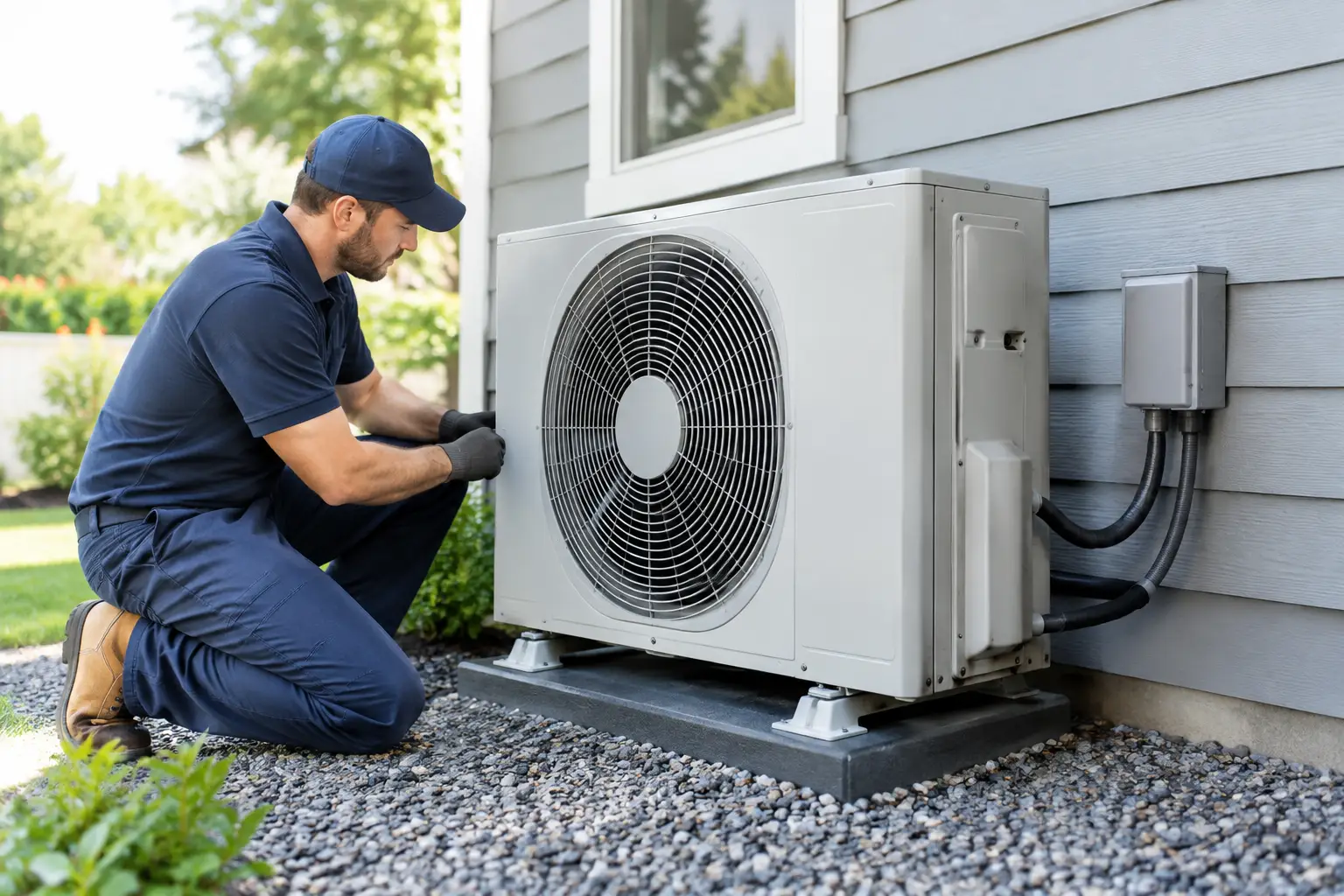
Cape Cod's salt air and winter weather make outdoor placement especially important. The condenser needs adequate airflow and a stable mounting solution that keeps it above expected snow accumulation. It should also be located where defrost cycles and condensate drainage will not create ice near walkways, decks, or entry doors.
Electrical capacity is another common consideration. Older panels may have limited available space for the new circuits a heat pump requires. Identifying that early prevents a delayed installation and gives you a more accurate project budget. A licensed contractor should explain whether the existing electrical service can support the equipment or whether an upgrade should be planned.
Proper commissioning is just as important as installation day. Technicians should test operation in heating and cooling modes, verify refrigerant performance, check airflow, confirm controls are working correctly, and show you how to operate the system. Heat pumps are efficient, but homeowners get the best results when they understand recommended temperature settings, filter maintenance, and when to call for service.
Questions to Ask Before You Schedule
Before moving ahead, ask whether the proposed equipment qualifies for the Mass Save program currently available to you and what documentation you will need to submit. Ask whether the quoted system is sized using a room-by-room or whole-home load calculation, not an estimate based only on square footage.
You should also ask how the heat pump will work during the coldest weather, whether your current heating system will remain active, and how the installer will handle condensate, electrical work, permits, and equipment placement. If you are comparing proposals, make sure each one includes the same scope of work. A lower number may leave out necessary electrical, duct, control, or weatherization work.
Financing can also make a larger efficiency upgrade more manageable. Review the full project cost, expected rebate amount, financing terms if applicable, and anticipated operating changes instead of focusing only on the monthly payment or a single rebate figure.
Plan Before the Heating Season
The best time to evaluate a heat pump is before your current system fails. Waiting until a boiler, furnace, or air conditioner stops working can limit equipment choices and put pressure on the installation schedule. Planning ahead gives you time to assess the home, compare system types, confirm Mass Save requirements, and complete related electrical or insulation work.
For homeowners and property managers across Cape Cod, Durfee Plumbing & Heating can help evaluate practical heat pump options, explain the installation scope clearly, and provide licensed service built around your property's needs. A well-planned project should leave you with more than a new piece of equipment - it should give you reliable comfort when the weather turns.