

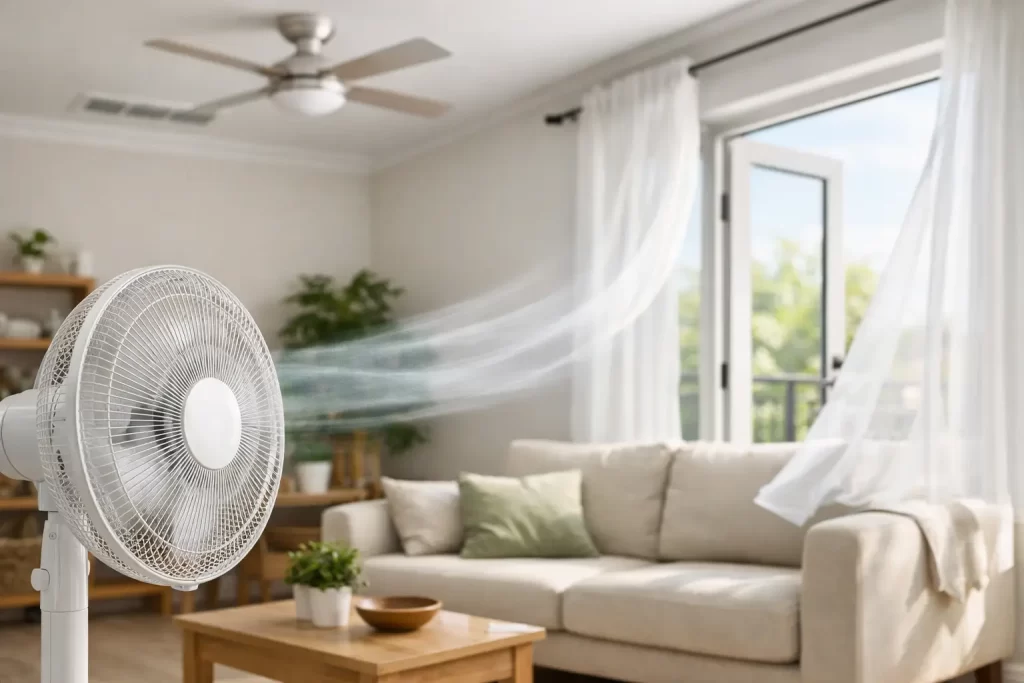
A room can have the right temperature on the thermostat and still feel stuffy, damp, or uneven from one corner to the next. If you are wondering how to improve indoor airflow, the issue is usually not one single failure. More often, it is a mix of restricted return air, dirty filters, closed vents, leaky ducts, or equipment that is moving air poorly.
Better airflow does more than make a house feel comfortable. It can help reduce lingering odors, improve humidity control, ease hot and cold spots, and take pressure off your HVAC system. In Cape Cod homes, where summer humidity and tightly closed winter conditions can both affect indoor comfort, airflow problems tend to show up fast.
Why airflow problems happen
Airflow depends on balance. Your heating and cooling system has to supply conditioned air into living spaces and pull enough air back through return ducts so it can circulate properly. When that balance gets interrupted, comfort drops.
Sometimes the cause is simple. A clogged filter can choke off air movement more than homeowners expect. Furniture pushed over a register, a closed interior door, or a return vent blocked by storage can create pressure changes that make certain rooms feel stale. In older homes, duct design may also be part of the problem. Some systems were not sized well in the first place, and additions or renovations can make the original layout work even harder.
Humidity matters too. Air that is too damp often feels heavy and stagnant even when the blower is running. Air that is too dry in winter can also make a home feel uncomfortable, even with decent circulation. That is why airflow and overall indoor comfort are closely tied together.
How to improve indoor airflow without major upgrades
If the problem is mild, a few practical corrections can make a noticeable difference.
Start with the air filter. If it is loaded with dust, airflow drops across the whole system. Check the filter size, make sure it is installed in the correct direction, and replace it on schedule. A high-MERV filter can be helpful in some homes, but it is not always better. If the system is not designed for a more restrictive filter, you may trade cleaner filtration for weaker airflow. That is one of those cases where the right answer depends on the equipment.
Next, walk through the house and check every supply and return vent. Supply vents should be open and clear, not hidden behind rugs, curtains, or furniture. Return vents need room to breathe too. Blocking a return can quietly affect several rooms, not just one.
Ceiling fans can also improve air movement, but they work best when used correctly. In summer, the fan should push air downward to create a cooling effect. In winter, many fans can be reversed to pull air upward and gently recirculate warm air that collects near the ceiling. Fans do not cool or heat the air itself, but they can make rooms feel more balanced.
Another easy fix is keeping interior doors open, especially in rooms with supply vents but limited return paths. When doors stay shut, pressure can build in the room and reduce circulation. If privacy is needed, transfer grilles or undercut doors can sometimes help, but those are changes best evaluated case by case.
Check the ductwork before blaming the equipment
A system can have a strong blower and still struggle if the ductwork is leaking, dirty, poorly insulated, or undersized. That is one reason airflow complaints do not always point to a furnace or AC problem alone.
Leaky ducts allow conditioned air to escape into attics, crawl spaces, or wall cavities before it ever reaches the room. That means less airflow where you need it and higher operating costs at the same time. In homes with older duct systems, sealing and insulating ducts can improve both comfort and efficiency.
Duct buildup is another issue. Dust and debris inside the ductwork can restrict movement, especially when combined with years of neglected maintenance. Not every home needs frequent duct cleaning, but if there has been remodeling dust, visible buildup, or ongoing indoor air quality concerns, it may be worth a closer look.
Duct design matters as well. Some rooms sit at the end of long runs, some additions are tied into systems that were never expanded properly, and some homes simply have too few returns. Those problems usually do not improve with a new filter or a stronger thermostat setting. They need a technician to evaluate static pressure, duct sizing, and system performance.
How to improve indoor airflow in problem rooms
When one room is always hotter, colder, or stuffier than the rest of the house, focus on that space first.
Check whether the supply vent is delivering air at all. If airflow feels weak compared to other rooms, there may be a damper issue, disconnected duct, crushed flex duct, or blockage somewhere along the run. If the airflow is present but the room still feels off, insulation, sun exposure, window conditions, and room usage may be contributing.
Rooms with closed doors often struggle more than open-concept spaces. Bedrooms are a common example. The system pushes air in, but if there is no easy return path out, circulation drops. That can lead to stuffiness overnight even when the HVAC system itself is working.
Bathrooms, laundry rooms, and kitchens also bring moisture into the equation. Exhaust fans should vent those areas effectively, especially after showers or heavy cooking. If humid air lingers, the home can feel stagnant fast. Replacing a weak or noisy exhaust fan can make a bigger difference than many people expect.
Ventilation, humidity, and fresh air
Learning how to improve indoor airflow is not only about moving indoor air around. In some homes, the larger issue is a lack of ventilation.
Newer and better-sealed homes hold conditioned air well, but they also trap pollutants, moisture, and odors more easily. Opening windows can help when outdoor conditions are good, but that is not always practical during peak humidity, pollen season, or winter cold. Mechanical ventilation may be the better long-term answer.
This is where it helps to look at the whole system. Airflow, filtration, dehumidification, and ventilation all interact. If your AC runs but the home still feels damp, adding a dedicated dehumidifier may improve comfort more than increasing fan speed. If a building feels stale even with decent circulation, fresh-air ventilation may be the missing piece.
For coastal homes in places like Barnstable and across Cape Cod, moisture control is often part of the airflow conversation. Salt air, seasonal occupancy, and humid summers can all make indoor air feel heavier. Good ventilation and proper system setup help keep that from turning into comfort issues or musty indoor conditions.
When it is time to call a professional
Some airflow fixes are simple homeowner maintenance. Others need testing, not guessing.
If your system is short cycling, making unusual noise, showing very weak airflow at multiple vents, or leaving large sections of the home uncomfortable, it is worth having the equipment and ductwork inspected. The same goes for rooms that never improve no matter how often you change the filter or adjust vents.
A licensed HVAC technician can check blower performance, duct leakage, refrigerant-related cooling issues, static pressure, return air limitations, and thermostat setup. That kind of diagnostic work matters because the wrong fix can waste money. For example, replacing equipment without addressing bad duct design may leave the same airflow problems in place.
In some cases, the best answer is system maintenance. In others, it may be duct sealing, vent adjustments, duct cleaning, added returns, zoning, or a ductless solution for an area the main system cannot serve well. A dependable local company like Durfee Plumbing & Heating can help sort out which option actually fits the house instead of recommending a one-size-fits-all upgrade.
Small changes first, bigger fixes when needed
Most homeowners do not need to start with a major install. Start with the filter, vents, fans, and room layout. Pay attention to where airflow feels weak and whether humidity is making the home feel worse. If simple changes do not solve it, the next step is having the ductwork and equipment evaluated as a system, not as separate pieces.
The goal is not just more moving air. It is cleaner, steadier, better-directed airflow that makes the whole house feel right from room to room. When that happens, comfort improves, the system works more efficiently, and the house feels like it should.