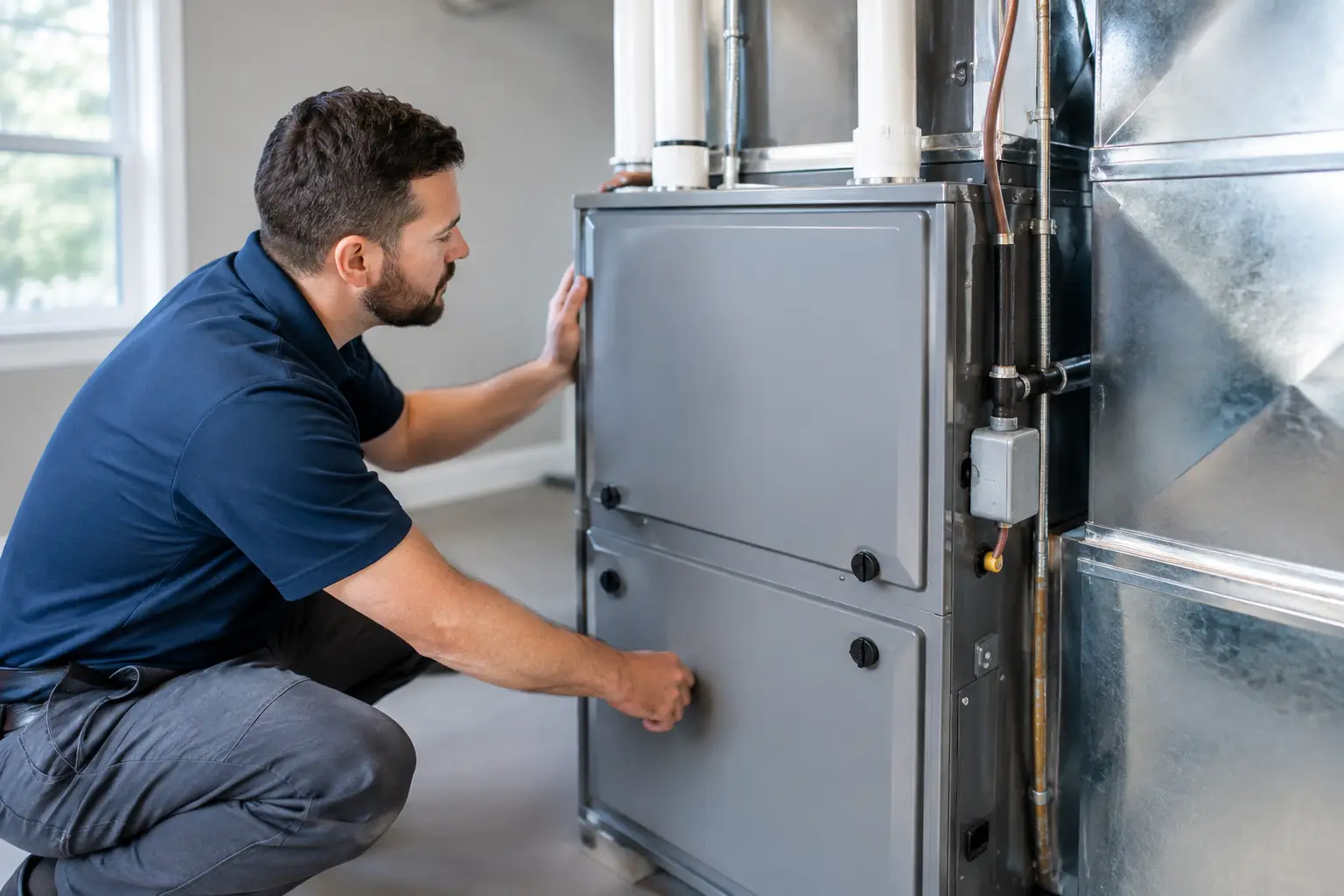
A furnace can seem fine right up until the morning it cannot keep the house warm. For furnace replacement Brewster MA homeowners often start looking after a breakdown, but planning before that point gives you more control over equipment choices, scheduling, and budget. It also helps avoid making a major heating decision during the first cold snap of the season.
A replacement is not always the answer. Many heating problems can be repaired safely and affordably. But when a system is near the end of its useful life, putting more money into repeated repairs may only delay an unavoidable project. A licensed heating professional can assess the equipment, the home, and your comfort goals so you can make a clear decision.
Furnace Replacement in Brewster MA: Know When It Is Time
Age is one of the first things to consider. A well-maintained gas furnace may last 15 to 20 years, though actual lifespan depends on installation quality, maintenance history, runtime, and local conditions. If your furnace is in that range and needs a costly repair, replacement deserves a serious conversation.
Watch for changes in performance as well. Rooms that stay cold, longer heating cycles, frequent thermostat adjustments, or unusual noises can all point to a system that is struggling. Higher fuel bills without a clear change in how you use your home are another warning sign. A furnace loses efficiency as components wear, ducts leak, and airflow problems develop.
Safety matters most. A yellow burner flame, soot around the unit, persistent burning smells, or a carbon monoxide alarm should be handled promptly. Turn off the equipment if it is safe to do so and call a qualified heating technician. Every home with combustion equipment should also have working carbon monoxide detectors.
One repair does not automatically mean you need a new furnace. A failed igniter, pressure switch, or blower component can often be repaired. The calculation changes when repairs become frequent, the heat exchanger is damaged, replacement parts are difficult to obtain, or repair costs represent a large share of a new system's installed cost.
Start With the Right Heating System, Not Just a New Box
The best replacement is not necessarily the largest furnace or the unit with the highest advertised efficiency rating. It needs to be sized for your house. Oversized equipment can heat the space too quickly, turn on and off repeatedly, and create uneven temperatures. Undersized equipment may run constantly and still leave the home uncomfortable during colder weather.
A proper recommendation begins with more than the square footage on a real estate listing. Your contractor should consider insulation levels, window condition, ceiling height, air leakage, ductwork, sun exposure, and the number of people using the home. This is especially useful in older Cape homes, where additions, seasonal rooms, and upgrades made over many years can change the heating load considerably.
If you have a forced-air system and want to stay with a furnace, modern high-efficiency gas equipment can offer better comfort and lower fuel use than an aging model. Variable-speed blowers and two-stage or modulating systems can provide quieter, steadier heat. Those features may cost more up front, so they make the most sense for homeowners who value comfort, expect to stay in the home, or have ongoing issues with hot and cold spots.
For some properties, a heat pump is worth comparing alongside a furnace. Modern cold-climate heat pumps can deliver efficient heating and air conditioning, and ductless options can serve additions or rooms without usable ducts. Whether a heat pump, furnace, or dual-fuel approach is right depends on the home's layout, existing fuel source, electrical capacity, duct condition, and available incentives. The right answer is not identical for every Brewster property.
What a Professional Replacement Should Include
Furnace replacement is more involved than removing one appliance and setting another in its place. The quality of installation affects efficiency, reliability, and manufacturer warranty requirements for years to come.
A thorough proposal should identify the recommended equipment, explain why it is appropriately sized, and address the condition of the ductwork. Leaky, undersized, or poorly balanced ducts can limit the benefit of even the best new furnace. In some cases, duct repairs, cleaning, added returns, or airflow adjustments should be part of the project rather than an afterthought.
The installation also needs to account for venting, combustion air, gas connections, condensate drainage for high-efficiency units, electrical work, thermostat compatibility, and required permits. After installation, the system should be tested for safe operation and proper airflow. Ask how the contractor handles startup, cleanup, warranty coverage, and follow-up if you have a concern after the work is finished.
Choosing a licensed, insured contractor is practical protection for a project of this size. Experienced technicians can identify site-specific issues before installation day, reducing surprises that can affect cost or timing. A company with fully stocked trucks and broad heating experience is also valuable when a repair visit reveals that replacement is the more sensible path.
Budgeting Without Guesswork
The installed cost of a furnace replacement varies because homes and systems vary. Equipment efficiency, capacity, duct modifications, venting changes, electrical updates, thermostat upgrades, and permit requirements all affect the final price. A simple swap can be very different from a project that needs new venting or significant airflow corrections.
Instead of focusing only on the initial number, consider the full value of the proposal. A lower-priced option may not include duct improvements, safe venting work, a quality thermostat, or adequate labor coverage. Ask for a written scope that makes it easy to compare what each contractor is actually providing.
Financing can help spread out the cost of a necessary upgrade rather than forcing a choice between an unreliable furnace and an unplanned expense. Available Mass Save rebates or other efficiency incentives may also affect the economics of qualifying equipment. Requirements can change, so confirm current eligibility before selecting a system based on an anticipated rebate.
Operating cost matters, but it should be viewed realistically. Higher-efficiency equipment can reduce fuel use, especially when replacing a very old furnace. Savings depend on local fuel prices, how well the home is insulated, thermostat settings, and the condition of the ducts. Comfort, reliability, and lower repair risk are often just as meaningful as the utility-bill difference.
Plan Before the Emergency Call
The best time to evaluate replacement is often before heating season or while your existing furnace is still operating. That gives you time to compare options and schedule work around your household or business. It also avoids the pressure of relying on portable heaters or disrupting tenants during a failure.
Still, heating emergencies do happen. If the furnace stops working, check that the thermostat is set correctly, the filter is not severely clogged, and the circuit breaker has not tripped. Do not keep resetting a breaker, bypass safety controls, or attempt gas-related repairs yourself. If you smell gas, leave the area and contact the gas utility or emergency services from a safe location.
For a fast diagnosis, have the system's age, model number, recent symptoms, and any error code available when you call. A qualified technician can determine whether a repair will restore dependable heat or whether furnace replacement is the safer long-term decision.
Durfee Plumbing & Heating helps Cape Cod homeowners evaluate heating failures, repairs, and planned upgrades with licensed service, clear recommendations, financing options, and a 1-year parts and labor warranty. If your furnace is showing its age, arranging an assessment now can help you choose dependable heat on your schedule, not during the next cold-weather emergency.