A furnace rarely fails at a convenient time. It usually starts with a cold bedroom, a system that will not restart after a power interruption, or a repair call that reveals a larger problem. When you need furnace replacement in Osterville, MA, the goal is not simply to get heat back. It is to choose a properly sized, safely installed system that can handle another Cape Cod winter without wasting fuel or creating uneven comfort throughout the house.
For homeowners, property managers, and business owners, replacement is a decision with real trade-offs. A repair may be the right answer for a newer unit with a clear, limited problem. But an aging furnace with repeated breakdowns can cost more in emergency service, fuel use, and disruption than a planned replacement.
Signs It Is Time to Consider Furnace Replacement
Age matters, but it is not the only factor. Many furnaces can provide dependable service for 15 to 20 years with consistent maintenance. Once a system enters its later years, however, individual repairs deserve closer scrutiny, especially if the equipment has been running hard or maintenance has been inconsistent.
Frequent service calls are one of the clearest warning signs. Replacing an igniter or a simple electrical component can make sense. Replacing major components on an older system is different. If a heat exchanger is cracked, the repair is often not practical and may present a carbon monoxide safety concern. A licensed heating professional should evaluate the system and explain the findings clearly.
Pay attention to how the home feels as well. Cold rooms, weak airflow, long run times, new rattling or banging sounds, and a furnace that cycles on and off repeatedly can all point to equipment or ductwork problems. Rising heating bills without a meaningful change in household habits are another reason to have the system inspected.
A furnace that has stopped working during cold weather should be assessed quickly. In some cases, a repair can restore heat the same day. In others, replacement is the more reliable path. The best decision depends on the condition of the furnace, the availability of parts, the cost of repair, and how long the repair is likely to extend the equipment's useful life.
What a Furnace Replacement in Osterville MA Should Include
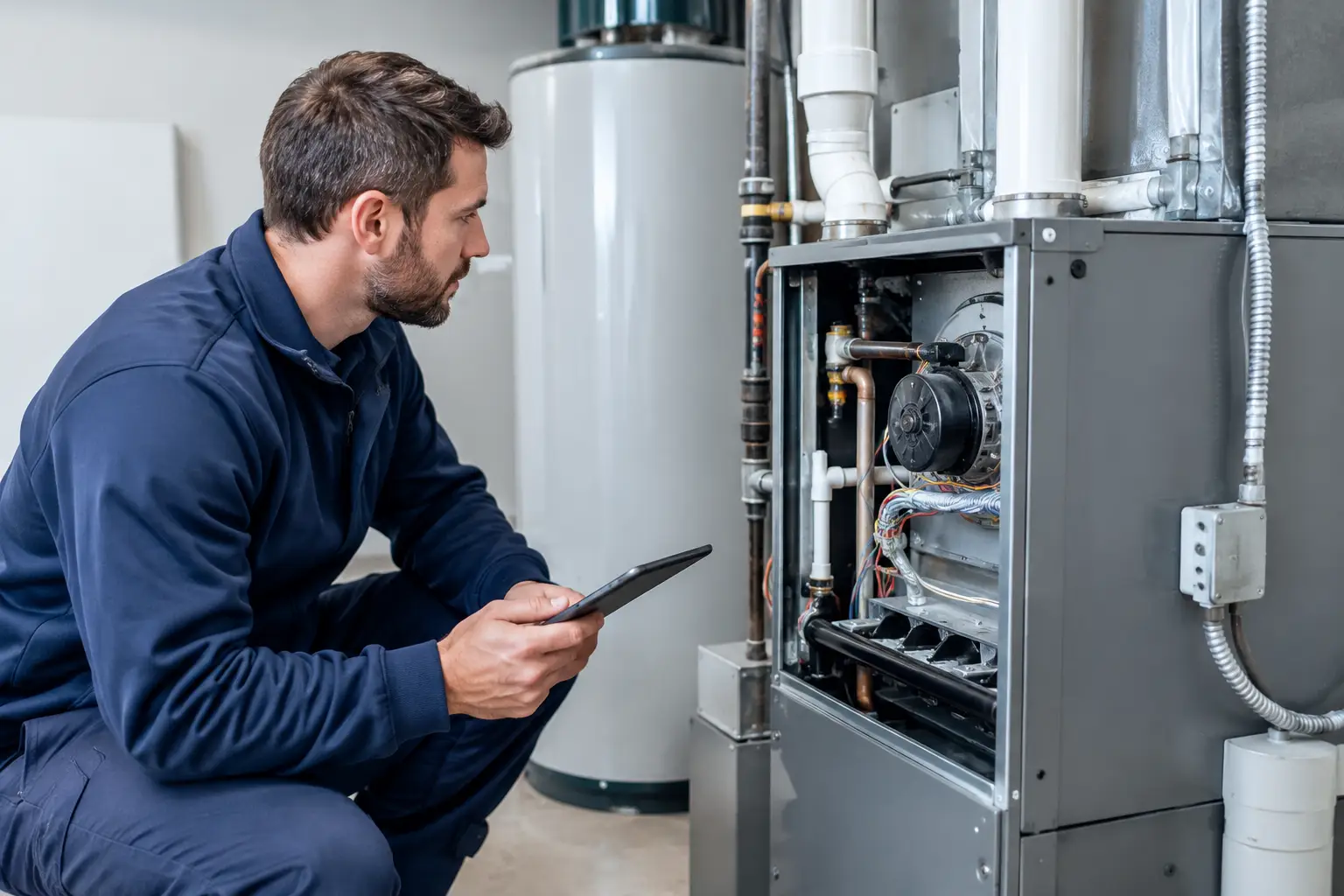
A good installation begins before the old furnace is removed. The replacement unit should not be selected based only on the size or input rating of the existing equipment. Older systems are often oversized, particularly if the home has received insulation upgrades, window improvements, air sealing, or additions over the years.
A professional evaluation considers the home's square footage, layout, insulation, windows, duct system, fuel source, and heating needs. This helps determine the right capacity. An oversized furnace can heat the space too quickly, then shut down before distributing warmth evenly. That short cycling can increase wear and reduce comfort. An undersized furnace may run continuously during colder periods and still struggle to keep up.
The ductwork deserves equal attention. A new high-efficiency furnace cannot perform at its best if ducts are leaking, poorly sized, dirty, or disconnected. Restricted airflow can contribute to hot and cold spots, noisy operation, and premature equipment problems. Depending on the home's condition, duct repairs or cleaning may be worthwhile alongside the installation.
The project should also address venting, gas connections when applicable, electrical components, condensate drainage for high-efficiency equipment, thermostats, permits, and safe startup testing. These details are not extras. They are part of a furnace installation that is built to operate safely and reliably.
Choosing the Right Type of System
The best replacement depends on what is already in the property and what you want from the upgrade. Some homes use natural gas furnaces, while others may rely on oil-fired heating equipment. In Cape Cod homes, it is also common to find boilers rather than furnaces, which heat water for radiators or baseboards instead of pushing warm air through ducts. The replacement approach is different, so it is worth confirming what kind of system you have before planning the project.
If your home has ductwork and you are replacing a forced-air furnace, a higher-efficiency model may reduce fuel consumption and improve temperature control. The actual savings depend on the age and condition of the old system, the efficiency of the new unit, local fuel costs, thermostat settings, and the home's insulation.
For some properties, a heat pump may also be worth discussing. Modern cold-climate heat pumps can provide efficient heating and cooling, and ductless mini splits can be a practical solution for additions, converted spaces, or rooms that never seem to stay comfortable. A heat pump is not automatically the right replacement for every furnace, especially where existing fuel equipment is in good condition or a property's layout creates installation challenges. It is simply an option that deserves an honest comparison.
Planning Around Cost, Timing, and Incentives
The total cost of furnace replacement is influenced by more than the unit itself. Equipment efficiency, installation complexity, duct modifications, venting requirements, electrical work, thermostat upgrades, permit needs, and access to the mechanical space can all affect the project scope.
That is why an on-site assessment is more useful than a quick quote based on a model number. It gives you a clearer picture of what is included and helps prevent surprises after work begins. Ask for an explanation of the recommended system, the installation work required, warranty coverage, and any options that could improve comfort or efficiency.
If the furnace still operates, replacing it before a complete failure gives you more control over timing and equipment choices. You can compare options, review financing availability, and plan installation around your schedule rather than making a rushed decision during a cold-weather breakdown.
Mass Save rebates and other available incentives may help qualifying Massachusetts homeowners offset the cost of certain energy-efficiency improvements. Program requirements can change, and eligibility depends on the equipment and property, so it is smart to review current options before committing to a system.
Protecting Your New Furnace After Installation
A new furnace needs basic care to deliver the performance you paid for. Replace or clean filters on the schedule recommended for your system and household. Homes with pets, ongoing renovation work, or higher dust levels may need more frequent filter changes. A clogged filter restricts airflow and puts unnecessary strain on the equipment.
Annual professional maintenance is also a practical investment. A heating visit can include inspection of safety controls, burners, electrical connections, airflow, venting, and thermostat operation. Small issues are easier to address before they become a no-heat emergency.
Keep supply and return vents open and unobstructed, and do not store items around the furnace. The equipment needs proper airflow and service access. If you notice unusual odors, soot, persistent noises, or changes in heating performance, schedule service instead of waiting for the next maintenance visit.
Get Clear Answers Before the Cold Sets In
A furnace replacement is not a purchase to make on guesswork. You need a contractor who can evaluate the entire heating system, explain the options in plain language, and complete the installation with licensed workmanship. Durfee Plumbing & Heating provides heating solutions backed by certified technicians, a 1-year parts and labor warranty, and financing options for qualifying larger projects.
If your furnace is becoming unreliable, address it while you still have choices. A careful evaluation now can help you avoid a cold-house emergency later and give your property dependable heat when it matters most.