Replacement & installation planning
What a complete evaluation covers.
A system change should explain the equipment, the connections and how the finished result will serve this particular home or building.
01Water-heater repair and no-hot-water diagnosis in Onset
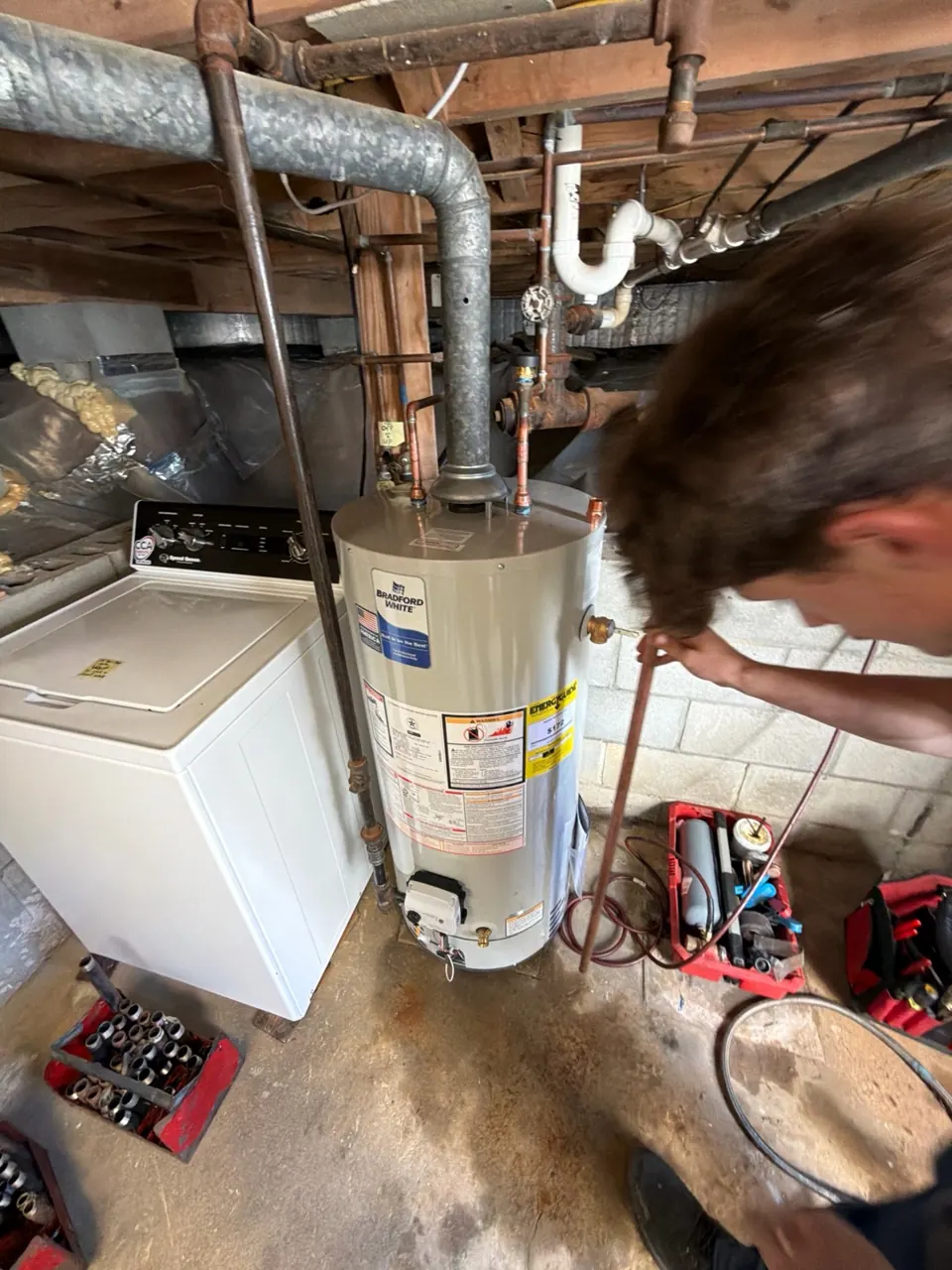
A loss of hot water can involve controls, heating components, connected piping or the heater itself. Tell us whether all taps are affected, when the problem began and any safely visible error code. For an indirect tank, mention whether the boiler still heats the home. We locate the fault and explain the repair price before you approve work; replacement is considered when equipment condition, parts or repair history justify it.
- No hot water or inconsistent temperature
- Leaking connections or water around the tank
- Tankless fault codes and interrupted hot water
- Repair-versus-replacement options after diagnosis
02Right-size hot water—not just a replacement label
Water-heater capacity should reflect how Onset occupants actually use showers, laundry, dishwashing and other fixtures. Durfee reviews recovery rate, first-hour demand, fuel type and the possibility of future household changes before recommending a replacement. This avoids selecting equipment that is too small for busy periods or unnecessarily large for the available space and operating budget.
- First-hour and recovery-demand review
- Tank, indirect, heat-pump and tankless comparisons
- Gas, oil, electric and hybrid considerations
- Future occupancy and renovation planning
03A safe installation starts with the whole connection
The water heater is only one part of the system. A proper Onset replacement review includes shutoffs, water piping, venting where applicable, combustion air, electrical supply, condensate or relief-valve discharge, drain access and required clearances. Existing conditions can change the approved scope, which is why the installation plan is explained before work begins.
- Water and isolation valves
- Venting, combustion-air and condensate paths
- Electrical capacity for heat-pump or electric models
- Drain pan, discharge and access planning
04Tankless and indirect options when they make sense
Rinnai tankless water heaters and indirect water heaters can be excellent solutions, but they are not automatic upgrades for every property. Tankless design depends on gas capacity, water quality, venting, condensate and peak demand. Indirect water heaters depend on the condition and capacity of the connected boiler. Durfee explains the practical tradeoffs for the system already in the building.
- Rinnai tankless planning
- Indirect water-heater compatibility
- Venting and fuel-capacity checks
- Maintenance and water-quality considerations
05Local replacement planning in Onset
Onset's historic village includes compact cottages, waterfront homes, seasonal rentals and buildings with limited mechanical space. Spring openings and fall shutdowns can reveal leaks, failed valves, slow drains and equipment corrosion. When access is tight, repair and replacement decisions should consider routing, future service clearance and how the property is occupied throughout the year. Onset properties include historic cottages, waterfront homes, seasonal rentals and compact village properties. Local service needs include winterization, drain service, water heaters, mini-splits and corrosion-aware HVAC. We review these conditions when planning equipment access, capacity and installation.
- Clear scope and up-front options
- Equipment selected around the actual property
- Licensed plumbing and coordinated HVAC knowledge
- Eligible residential installed-work warranty coverage
06Opening-day leak checks in Onset
Water should be restored methodically so failed valves, split piping and winter damage are found before they affect finishes or neighboring areas.
- Plan access and work sequencing before installation
- Match equipment and connections to existing conditions
- Explain options before approved work begins
07Tight equipment access in Onset
Compact utility spaces require clear planning for venting, drainage, combustion air, electrical work and future maintenance.
- Plan access and work sequencing before installation
- Match equipment and connections to existing conditions
- Explain options before approved work begins